
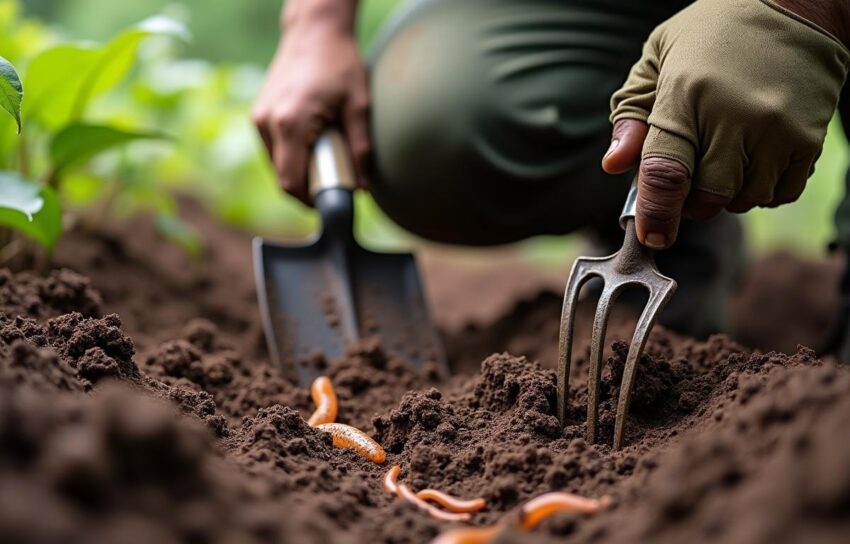
Before embracing double digging, consider its potential long-term impact on soil health. This technique relies on digging trenches in the garden bed preparation phase to loosen the first and second layers of soil. At first glance, it can appear beneficial. Many gardening books still promote it as an old-fashioned trick to achieve nutrient-rich soil, but does it truly help?
Creating healthy, vibrant gardens starts with caring for the soil beneath our feet. Disturbing it too intensively can harm beneficial organisms, reduce earthworm activity, and even speed up the depletion of organic matter. If you want sustainable agriculture, it’s wise to question practices that promise immediate gains but may cause hidden damage. Let’s explore why you might want to shelf those deep-digging tools and adopt gentler planting techniques instead.
The Myth of Double Digging in Garden Bed Preparation
There’s a popular belief that loosening two layers of soil fosters deep soil cultivation and encourages better root development. While it’s true that roots need breathable soil aeration, the situation isn’t that simple. Excessive trench digging can quickly disrupt natural ecosystems, crushing delicate soil structures that took years to form.
It’s easy to see why so many gardeners jump on this bandwagon. The promise of quick root penetration and nutrient absorption is tempting. Yet, destructively turned soil can lead to short-lived improvements at best. At worst, it might amplify erosion, damage beneficial bacteria, and stress plants over time.
A Shift in Perspective
In many organic gardening circles, people have become more aware of how constant tillage systems can lead to lifeless ground. By breaking up the subsoil layer and turning over lower strata, you expose microorganisms to conditions they don’t thrive in. This disrupts the delicate symbiosis between microbes and plant roots.
It’s not just about microbes. Displaced soil layers can alter water drainage. You may see exposed lumps that repel moisture or create puddles. Either way, constant flipping of soil doesn’t guarantee healthy plants.
Challenging Traditional Tillage Systems for Soil Aeration
Gardening methods that encourage minimal disturbance now dominate discussions around healthy soil amendment strategies. A large part of these conversations revolves around no-till gardening, which focuses on gently layering organic material on top. With minimal digging techniques, the soil’s physical structure strengthens over time.
Mother Nature has her own way of fostering soil fertility without human interference. When you allow worms, microbes, and insects to do their job, they aerate the soil naturally. Earthworm activity, in particular, keeps tunnels open, improves water drainage, and extends well below the surface.
What Happens When We Dig Too Much
Each time you break into the soil’s structure, you’re dismantling the intricate tunnels. Over time, these collapses can cause compaction at deeper layers. Organic matter decomposes at a hectic rate, leading to reduced nutrients for future crops.
Your aim should be slow-and-steady soil improvement, resulting in a healthy topsoil and a robust subsoil layer. By letting nature handle soil aeration, you avoid draining resources that could be utilized more efficiently. After all, it’s more natural (and less backbreaking) to partner with the organisms that already work tirelessly underground.
Harmful Impact on Soil Amendment Efforts
Gardeners often double dig in hopes of mixing compost into deeper layers for better compost incorporation. While this might sound logical, mixing compost that far down can slow its breakdown. Decomposing organic matter works best near the surface, where it has more significant interaction with oxygen and microorganisms.
When you bury large amounts of organic material too deeply, there’s limited microbial presence to transform it into valuable humus. Plus, integrating materials too low can starve top layers of fertilizer where the bulk of root systems usually reside. A balance of layering compost near the soil surface and letting rainfall and natural movements carry it downward is often more effective.
Rethinking Compost Integration
Keeping amendments near the root zone supports healthier plant root growth from the start. By layering compost on top and lightly raking or using garden tools to mix it into the first few inches, you retain soil’s natural stratification. This method preserves larger networks of fungi and beneficial bacteria that aid in nutrient-rich soil development.
Over time, worms and other creatures pull those nutrients deeper without the destructive upheaval that comes from intense digging techniques. This gentle approach encourages the formation of stable soil particles and fosters more sustainable gardening.
Why Over-Tilling Hurts Root Development
Tilling has long been part of many gardening routines, but it’s easy to overdo it. Double digging, in particular, can turn the subsoil layer and expose hidden weed seeds. Suddenly, your raised beds might be swamped with unwanted plants, driving you to repeat the cycle.
Excess tillage can also destroy those thin fungal strands crucial for nutrient absorption. When these strands break apart, your plants may need extra fertilizer to compensate. Over time, that results in a high-maintenance system, contradicting the principles of sustainable agriculture.
Planting Technique that Preserves Soil Health
Think of shallow cultivation as an alternative. You do just enough to create a hospitable environment for seeds without wrecking established microbial communities. Lightly loosening the surface can break crusted topsoil, improving oxygen flow for germinating plants.
Meanwhile, a top dressing of compost acts as a powerhouse of nutrients for the seeds below. If you give them a healthy layer of well-rotted organic material, they’ll have the best start possible. The step is simpler yet yields impressive results over the growing season.
Exploring Organic Gardening without Deep Soil Cultivation
One of the biggest worries for gardeners is whether less digging results in stunted growth. The truth is, eliminating double digging doesn’t doom your garden. In fact, it can open doors to more regenerative gardening methods that rely on nature’s processes.
Many old-school gardeners have discovered the benefits of layered soil amendments. Sheet composting, for instance, places organic matter on top, where it naturally integrates over time. Perennial planting thrives with this approach, as you disturb the ground less and allow root systems to establish deeply.
Embracing No-Till Gardening
No-till gardening sets the stage for robust microbial communities that handle much of the heavy lifting. These communities feed on breaks in the soil surface, slowly moving nutrients downward. This approach also guards against compaction, even if you’re stepping between raised beds for maintenance.
As you adopt no-till strategies, you’ll notice increased earthworm activity. Worms literally build passageways that help with water drainage, soil aeration, and general garden soil improvement. This synergy transforms your garden into a healthier ecosystem that rarely needs manual disruption.
Rethinking Crop Rotation and Tillage Systems
Crop rotation goes hand in hand with less intrusive digging. By rotating where you plant specific crops each season, you help maintain soil fertility without turning it upside down. Different plants draw different nutrients from the ground. Rotating them means the same minerals aren’t over-exploited.
This method fits snugly with no-till or light-till systems. It keeps the subsoil layer stable and encourages beneficial microbes to flourish in larger numbers. With fewer disruptions, you may discover you don’t need as many soil amendments to keep your plants thriving.
Strategic Digging When Necessary
Of course, garden bed preparation sometimes demands a deeper approach. Perhaps you’re reclaiming severely compacted land or removing intrusive rocks. In such cases, you can use targeted digging techniques on small problem areas rather than uprooting entire sections.
Careful partial digging gives you pinpoint control without unleashing chaos on the rest of your precious soil life. Once that task is done, you can return to top-dressing with compost, allowing nature’s creatures to handle deep soil cultivation. This compromise approach guards your back, your soil’s structure, and your garden’s overall vigor.
Building Raised Beds with Minimal Disruption
Raised beds are prized for their simple maintenance. They’re also a great way to avoid physically punishing tasks like double digging. By layering soil amendments and organic matter on top, you create a living “service station” for plant roots.
Many who grow in raised beds discover that the best timesaving choice involves less turning. Instead, they add fresh compost each season. Over time, every layer merges into a well-balanced environment that nurtures crops and fosters healthy worm populations.
Selecting the Right Tools
Sometimes your gardening tools can tempt you into deeper excavation. Large spades and heavy forks are excellent for specific chores, but they’re not mandatory for every planting. Choosing lighter implements, such as a broadfork or a hand cultivator, can reduce the urge to break apart soil layers.
These gentler options help you enhance soil aeration in the top few inches. You avoid throwing subsoil to the surface, which prevents potential nutrient imbalances. Remember: a healthy garden starts with the right tool for the job, not an over-powered shovel.
Practical Tips for Sustainable Gardening Methods
Always consider your garden’s unique environment before committing to any drastic measure. Soil type, weather patterns, and chosen crops can all influence how you cultivate. With minimal disturbance in mind, test your soil health regularly to understand which nutrients you might be lacking.
Planting cover crops between main growing seasons can enrich your soil naturally. Clover or rye can boost overall fertility without demanding a deep, grueling turnover. When it’s time to plant again, you can trim or gently incorporate the cover crop residue into the top layer.
Small Changes, Big Results
Shallow cultivation, compost integration near the surface, and carefully chosen plants can all work wonders for your garden’s physical soil structure. You’ll see fewer weeds, because you aren’t constantly unearthing dormant seeds. Meanwhile, moisture retention goes up, as does microbe diversity.
The power of a low-disturbance system is evident over multiple seasons. Your soil will require fewer external inputs, and your plants will thrive. It might feel like a slower track to success, but the long-term rewards are well worth it.
A Fresh Perspective on Soil Health
Ignoring quick-fix digging techniques can actually set the stage for more sustainable gardening. By letting nature handle deep soil cultivation, you harness the power of worms, fungi, and microbes to care for your garden. Healthy soil leads to strong crops, which, in turn, makes your gardening journey that much more rewarding.
It’s not about doing nothing; it’s about doing the right amount at the right level. Each scoop of compost on top, each gentle stirring of the surface, and every rotation of crops all contribute. In time, you realize that double digging is far from necessary to achieve lush, productive growth.
So keep an eye on natural signals, tweak your approach as you learn, and maintain a gentle hand. Your soil, plants, and even your back will thank you.